
Whey permeate

Whey Permeate 101

Understanding Whey Permeate and Its Role in Food Formulation

OVERVIEW

What Is Whey Permeate?

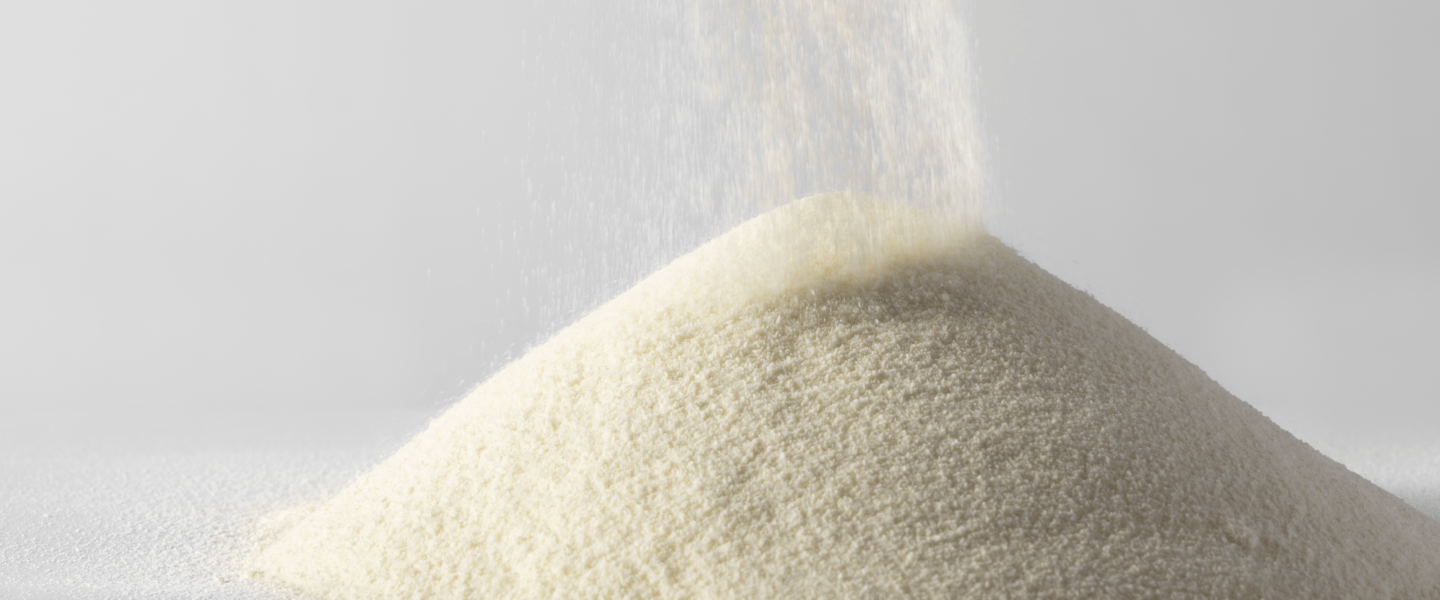
Whey permeate is a dairy ingredient created during the whey protein concentration process. As proteins are removed and concentrated, the remaining dairy solids — primarily lactose and minerals — are dried into whey permeate powder.

Known for its naturally balanced dairy flavor and cost-effective functionality, whey permeate is widely used in bakery, confectionery, dairy, beverage, prepared food, and animal food applications.

HOW IT'S MADE

VersiLac® Production Process

Cheese Making

1

Milk Preparation

Pasteurized milk is standardized to control fat
2

Coagulation

Enzymes turn milk into curds and whey
3

Curd Processing

Curds form cheese, and leftover liquid is whey

Ultrafiltration (UF)

4

Filtration

Whey is filtered through membranes to separate smaller components
5

Permeate

The filtered liquid, rich in lactose and minerals, becomes permeate

Concentration & Drying

6

Concentration

Water is evaporated, increasing the solid content
7

Drying

The concentrated permeate is spray dried into a powder for easy storage and transport

MILK INPUT

WHEY PERMEATE POWDER

INGREDIENT COMPARISONS

Whey Permeate vs. Other Dairy Ingredients

Whey Permeate vs. Whey Powder
Whey Permeate
Whey Powder
Primarily lactose and minerals
Contains protein and lactose
Lower protein
Higher protein
Used for flavor, sweetness and solids
Often used for flavor, sweetness and solids
Lower cost ingredient
Higher cost ingredient
Whey Permeate vs. Nonfat Dry Milk / Skim Milk Powder
Whey Permeate
Nonfat Dry Milk / Skim Milk Powder
Lower protein
Higher protein
Significantly lower cost
Higher cost dairy solid
Supports sweetness and browning
Provides protein and dairy richness
Often used for solids replacement
Often used for full dairy profile
Whey Permeate vs. Demineralized Whey
Whey Permeate
Demineralized Whey
Standard mineral levels vary
Minerals intentionally reduced
Available in low mineral options
Often used in sensitive flavor systems
Broad functionality
Cleaner flavor profile
Significantly lower cost dairy solids
Always higher cost
Whey Permeate vs. Lactose
Whey Permeate
Lactose
Contains lactose plus minerals and dairy solids
Nearly pure lactose
Adds dairy flavor
Minimal flavor contribution
Functional ingredient
Primarily sweetness and carrier
Lower cost ingredient
Always higher cost

COMPOSITION

VersiLac® Composition Breakdown

Lactose
85–88%
Minerals
8–9%
Protein
2–4%
Free Moisture
< 2%
  • Composition varies by product type
  • Low mineral products have reduced ash-mineral content
  • Mineral profile impacts flavor and functionality

FLAVOR PROFILE

What Does Whey Permeate Taste Like?

  • Mild dairy flavor
  • Mildly sweet and salty
  • Can enhance creamy or cooked dairy notes
  • Low mineral options offer cleaner flavor profiles

WHY IT'S USED

Why Food Manufacturers Use Whey Permeate

Cost Optimization

  • Reduce overall formulation costs
  • Can replace up to 100% of more expensive dairy ingredients
  • Supports efficient dairy sourcing strategies

Dairy Flavor

  • Naturally balanced dairy notes
  • Helps round out flavor profiles
  • Can support sugar and sodium reduction goals

Functional Benefits

  • Browning
  • Bulk solids contribution
  • Flowability
  • Solubility
  • Texture support

Formulation Flexibility

  • Works across multiple applications
  • Available in standard and low mineral options
  • Useful during ingredient shortages or reformulation
  • Steady, reliable ingredient supply

COMMON USES

Where Whey Permeate Works Best

  • Hot cocoa mixes
  • Bakery premixes
  • Chocolate and coatings
  • Dairy beverages
  • Ice cream
  • Yogurt
  • Caramel
  • Snack seasonings
  • Sauces

PRODUCT LINEUP

Types of VersiLac® Whey Permeate

Standard Whey Permeate
VersiLac®

General dairy solids replacement

VIEW PRODUCT →
Low Mineral Whey Permeate
VersiLac® LM7

Cleaner flavor profiles

VIEW PRODUCT →
Very Low Mineral Whey Permeate
VersiLac® LMS

Applications sensitive to mineral content

VIEW PRODUCT →

FORMULATION INSIGHT

Why Mineral Content Matters

Mineral content can impact how whey permeate performs in your formulation. Low mineral whey permeates can help reduce salty notes in applications where flavor is critical.

  • Flavor
  • Sweetness / salty perception
  • Processing performance
  • Overall formulation balance

LEARN MORE

Have Questions About Whey Permeate?

Whether you're evaluating whey permeate for the first time or looking to optimize an existing formulation, our technical team is ready to help.

Get In Touch

Ready to Add Whey Permeate to Your Formulation?

Connect with our technical team to discuss your ingredient needs, request samples, or explore how VersiLac® can work in your application.